Spotlight: Stephanie Benally
The Center for Economic Opportunity and Belonging (CEOB) is excited to continue this Spotlight series where we sit down with community members to talk about their work and their belonging journey in Utah.
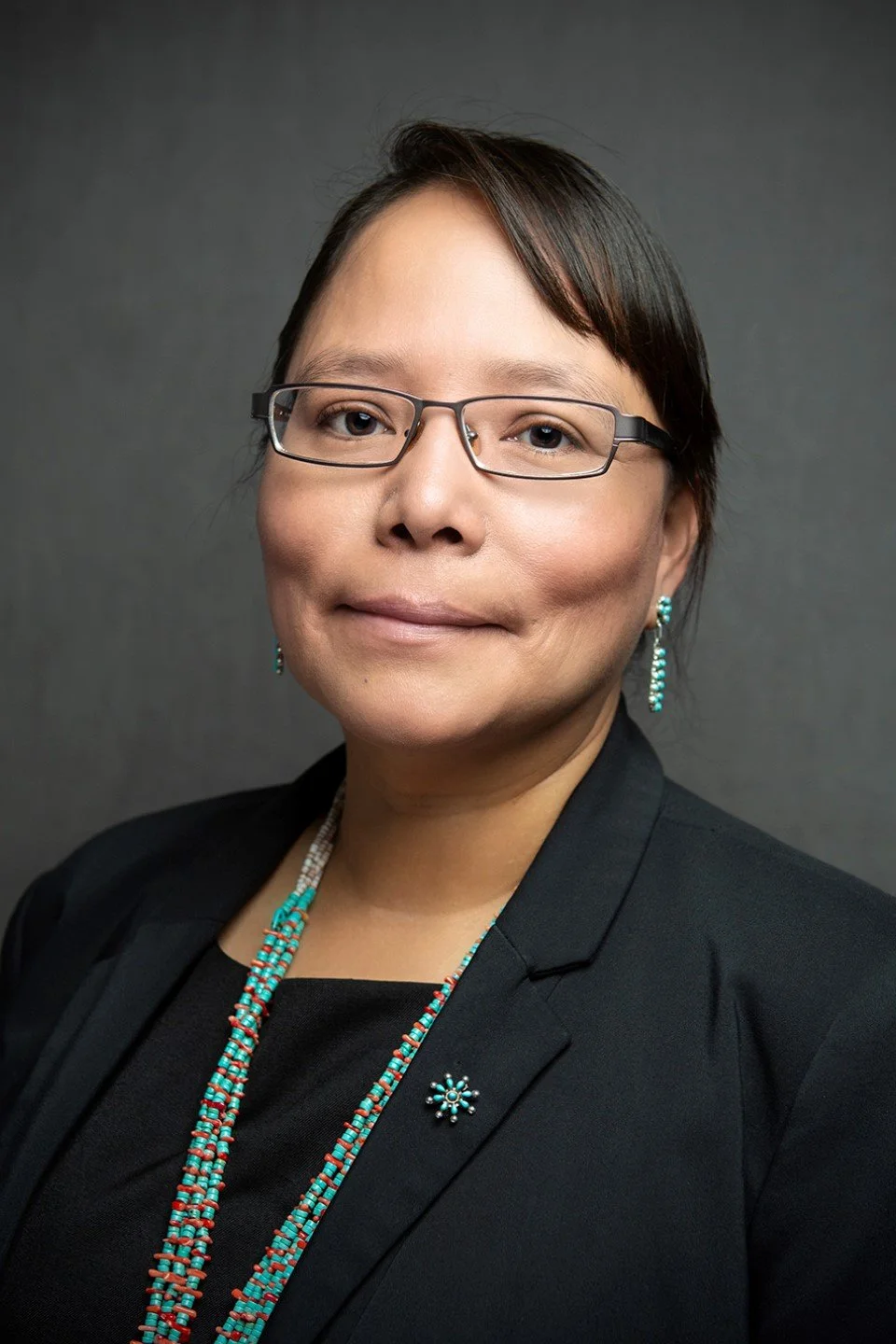
We recently sat down and spoke with Stephanie Benally about building belonging in Utah and her work at Utah Foster Care.
In two to three sentences can you explain what you do?
I serve as the Native American Specialist at Utah Foster Care, a nonprofit organization dedicated to supporting children and families. In this role, I train, recruit, and support Native foster parents while advocating for the well-being of Native children in care. By bridging cultural support and providing free resources to Native children in care, I help preserve language, traditions, and identity—empowering Native children to succeed and thrive. I am a committed advocate for the Indian Child Welfare Act (ICWA) and work to ensure its principles are upheld through education, collaboration, and culturally responsive practice.
What does belonging mean to you?
Belonging, to me, means feeling safe enough to be fully myself without having to explain or shrink parts of who I am. It’s the quiet comfort of knowing I’m valued not just for what I do, but for who I am. Belonging shows up when I’m seen and heard, when my presence matters, and when my voice carries weight in the spaces I’m in. It also means mutual care—the ability to both receive support and offer it in return. I feel a sense of belonging when I can show up honestly, make mistakes, grow, and still be welcomed. More than fitting in, belonging is about connection, trust, and the freedom to exist authentically alongside others. As an advocate for the Indian Child Welfare Act (ICWA), belonging means standing up for a child’s right to remain connected to their people and their community. It’s about creating spaces where Native foster parents feel supported and where Native children are seen not just as individuals in care, but as carriers of history, resilience, and culture. When we preserve identity and provide culturally grounded support, we empower Native children to thrive—not by asking them to fit in, but by affirming exactly who they are.
Can you share a little bit about your personal story of finding belonging, or your continued story of finding belonging?
Growing up, my parents instilled in me the values of education, family, culture, and service to the community. Through their example, I learned the responsibility of giving back, especially to children and families. From a young age, I became an advocate by showing up—listening, volunteering, and supporting others. In elementary school, I found a deep sense of belonging through cultural connection, dancing, and sharing knowledge about my tribe with those around me. These early experiences grounded me in who I am. Over the years, I have continued to build meaningful relationships with Indigenous people from many different tribes, strengthening my identity while learning from theirs. Sharing cultural knowledge has become both a privilege and a responsibility—one that allows me to honor my roots while helping others understand the richness and resilience of Indigenous communities.
How do you think belonging fits into the work of your organization?
Belonging, to me, means being rooted in who you are and knowing that your identity is honored, protected, and valued. In my work at Utah Foster Care as the Native American Specialist, I see how essential belonging is for Native children—especially those in care. Belonging is reflected in access to culture, language, and traditions, and in the assurance that they do not have to leave their identity behind to feel safe or supported. Children in foster care often experience frequent change and instability, which can disrupt their ability to form lasting relationships and feel connected. At Utah Foster Care, belonging is central to our work. We strive to create opportunities for children to experience stability, connection, and belonging through safe, nurturing relationships with caregivers, supportive communities, and peers who share similar experiences.
What are some things you believe we need to do as Utahns to make our state a place where everyone belongs? Or what is something someone did that helped you feel like you belong in Utah?
To make Utah a place where everyone belongs, we need to be intentional about practicing empathy, openness, and respect in our everyday lives. That can start with listening to people whose experiences are different from our own and being willing to learn rather than judge. As Utahns, we can create belonging by welcoming newcomers, supporting inclusive schools and workplaces, and speaking up when we see someone being excluded or treated unfairly. Small actions—like using inclusive language, celebrating different cultures and traditions, and building spaces where people feel safe to be themselves—can have a big impact. On a personal level, feeling like you belong often comes from simple acts of kindness. For example, someone taking the time to invite you into a community, check in on you, or genuinely listen to your story can make Utah feel like home. When people show that they care—not just through words, but through consistent actions—it sends the message that you matter. If more of us chose to show up for one another in these ways, Utah would be a place where everyone feels seen, valued, and included.
How can people get involved?
There are many ways people can get involved with Utah Foster Care. Whether it’s becoming a foster parent, supporting a foster family, volunteering, or simply learning more and sharing our mission, every action helps create stronger support systems for children in care.